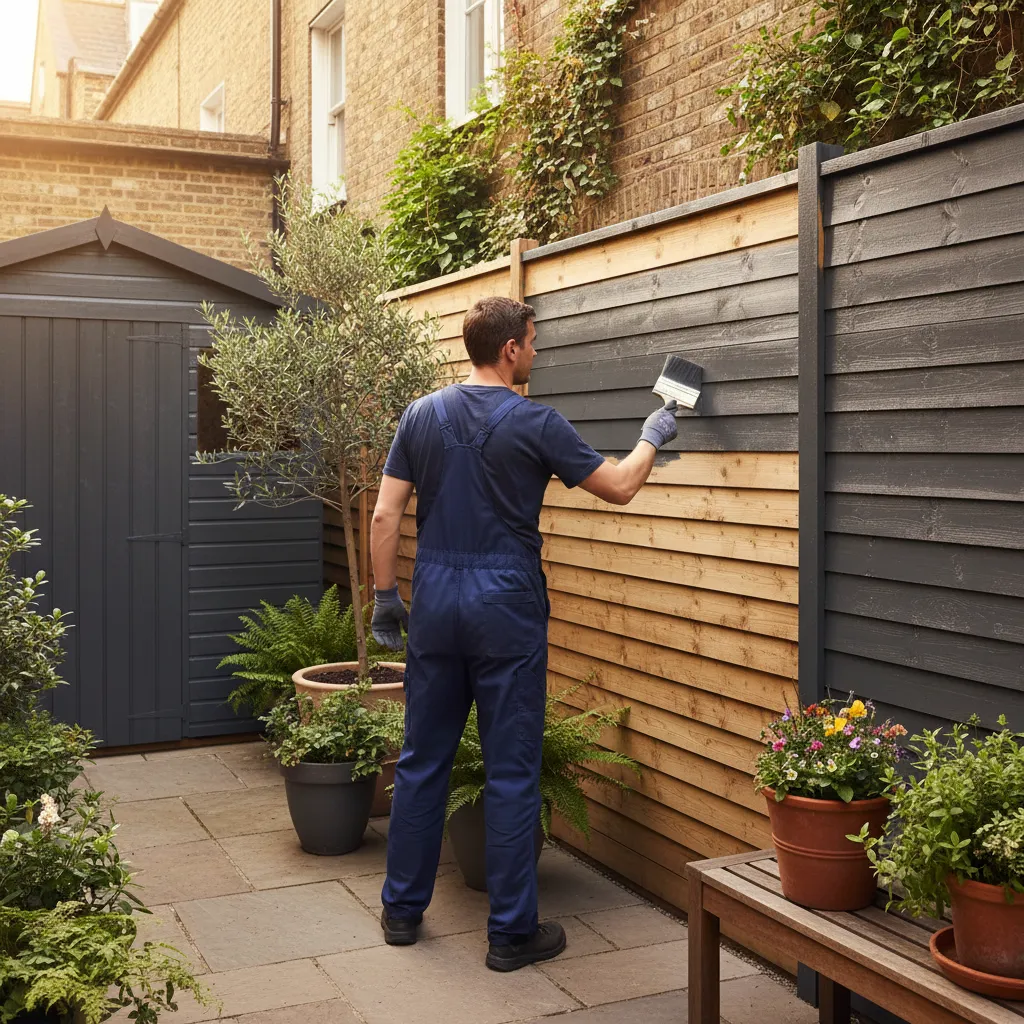
Revitalising Your Outdoor Space: The London Guide to Fence and Shed Painting
In the densely packed streets of Kensington or the leafy avenues of Dulwich, a garden isn't just a patch of grass; it’s an extension of your living room. However, the London climate—a relentless mix of driving rain, sudden humidity, and the occasional scorching summer afternoon—can be brutal on timber. If your garden boundary looks more "grey and decaying" than "gorgeous and defining," it’s time for a professional refresh.
At The Painters London, we’ve spent years transforming tired outdoor spaces across South East and Central London. We know that a fence isn't just a barrier; it's a backdrop for your landscaping and a crucial element of your property's kerb appeal. Whether you own a modern terrace in Battersea or a sprawling Victorian home in Greenwich, this guide covers everything you need to know about protecting and beautifying your garden timber.
Why London Gardens Require a Specific Approach
London’s microclimate presents unique challenges for exterior woodwork. The high levels of urban pollutants combined with trapped moisture in smaller, walled gardens mean that standard DIY treatments often fail within a single season.
Wood is porous. Without a high-quality seal, water ingress leads to rot, warping, and the growth of algae—that unsightly green tint common in shaded London side-returns. The Painters London recommends a proactive approach: painting or staining your fencing and sheds every 2–4 years, depending on their exposure to the elements.
Choosing the Right Product: Paint, Stain, or Oil?
Before picking up a brush, you need to decide on the finish. Each has its merits depending on the look you want to achieve and the condition of the wood.
1. Opaque Garden Paint
If you want a bold, contemporary look, opaque paints are the way to go. These provide the best UV protection and can hide imperfections in older wood. Brands like Little Greene and Farrow & Ball offer exterior eggshells and wood primers that are breathtaking in a garden setting. * Best for: Achieving a "designer" look in areas like Chelsea or Richmond.2. Wood Stains
Stains penetrate the wood grain rather than sitting on top of it. They are excellent for those who want to see the natural texture of the timber while adding a tint of colour. * Best for: A natural, rustic feel in traditional Dulwich or Blackheath gardens.3. Clear Preservatives and Oils
If you’ve invested in high-end Cedar or Iroko fencing, you likely want to keep the natural wood look. UV-resistant oils prevent the wood from turning silver/grey.Colour Trends for London Gardens
Gone are the days when "Forest Green" was the only choice. Our clients at The Painters London are increasingly opting for sophisticated palettes that reflect their interior design choices.
Dramatic Darks: Deep charcoals and off-blacks (like Farrow & Ball’s Railings*) are incredibly popular in Clapham and Islington. Dark fences make green foliage "pop" and can actually make a small garden feel larger by blurring the boundaries at night. * Heritage Greys: A soft, mid-grey provides a timeless, neutral backdrop that suits both Victorian brickwork and modern glass extensions. * Sage and Olive: Soft greens help a shed blend into the shrubbery, perfect for creating a seamless, organic feel in larger South East London plots.
The Professional Process: How We Do It
Achieving a finish that lasts requires more than just a quick coat of Ronseal. Here is the rigorous process followed by our team at The Painters London to ensure longevity.
1. Preparation is Everything
We begin by clearing vegetation away from the fence line. Any existing mould or algae must be treated with a fungicidal wash. If we paint over spores, they will simply continue to grow under the paint, causing it to flake within months.2. Sanding and Repair
Rough wood is sanded down to ensure a smooth finish and better adhesion. We check for "wet rot" and replace any structural slats that are beyond saving. The Painters London believes that a paint job is only as good as the surface beneath it.3. Priming
For new wood or previously painted surfaces, a high-quality primer is essential. It prevents the tannins in the wood from bleeding through and discolouring your topcoat—a common issue with light-coloured fences.4. Application
While many use sprayers for speed, we often prefer a combination of spraying for coverage and "back-brushing" by hand. This ensures the paint is worked deep into the grain and every nook of the feather-edge board is protected.Sheds and Summerhouses: The Garden Focal Point
Your shed shouldn't just be a place for the lawnmower; it can be a beautiful focal point. Many of our clients in areas like Wandsworth are converting sheds into home offices. For these structures, we recommend premium finishes like Dulux Trade Weathershield. It provides a flexible film that expands and contracts with the wood, preventing cracking.
If you are looking to refresh your entire exterior, including masonry and woodwork, check out our exterior painting services.
The Importance of Timing
In London, timing your garden painting is a fine art. You need a window of at least 48 hours of dry weather. Applying paint to damp wood is a recipe for disaster, as the moisture becomes trapped, eventually forcing the paint to peel. The Painters London monitors local forecasts closely to ensure we hit the perfect "weather window" for your project.
Maintenance Tips for Homeowners
Once your fence or shed has been professionally transformed, a little maintenance goes a long way: * Keep it clean: Gently wash down your fence once a year to remove bird droppings and urban soot. * Trim back plants: Don't let heavy wet foliage rest directly against the wood for long periods. * Check the bottom: Ensure soil isn't piled up against the bottom of the fence panels, as this leads to rising dampness in the timber.
Why Choose The Painters London?
Exterior decorating is a messy, time-consuming job that requires specialist equipment. By hiring The Painters London, you aren't just getting a coat of paint; you're getting peace of mind. We use trade-grade materials that you won't find on the shelves of a standard DIY store, ensuring your garden stays vibrant for years to come.
From small courtyard fences in Bermondsey to large timber outbuildings in Chislehurst, we bring the same level of detail to our exterior work as we do to our high-end interior painting.
Frequently Asked Questions
Can you paint a fence that has previously been treated with creosote?
It is difficult but possible. Traditional creosote is oily and will repel water-based paints. However, if the creosote is old and "weathered in," we can use specific tannin-blocking primers to allow for a new colour application. The Painters London can assess this during a site visit.How long does it take to paint a standard garden fence?
For a medium-sized London garden, the process usually takes 1 to 2 days, including preparation and two coats of finish. This can vary depending on the complexity of the fence design (e.g., trellis work takes longer than lap panels).Is it better to paint or stain a new shed?
New sheds often come with a basic factory "dip treatment." We recommend letting the wood weather for a few weeks and then applying a high-quality decorative topcoat (paint or stain) to provide proper long-term UV and water protection.Do you provide colour consultations for gardens?
Yes! Choosing a colour that complements your garden plants and your home’s brickwork is vital. We can provide samples and advice based on our experience with London light conditions.---
Ready to transform your garden?
Whether you need a full shed restoration or a contemporary fence refresh, our expert team is here to help. The Painters London provides professional, reliable, and high-quality decorating services across the capital.
Contact The Painters London today for a free, no-obligation quote and let’s get your outdoor space ready for the season.
Discover more about our work across the city by visiting our Areas Served page.
Practising London painters & decorators since 2019 — every guide is written and reviewed by our working team. About the authors →