Painting Listed Buildings in London: Navigating Heritage Regulations
Owning a piece of London’s architectural history is a privilege, whether it’s a Grade II listed Georgian townhouse in Chelsea, a Victorian terrace in Greenwich, or a grand mansion in Kensington. However, with that privilege comes a significant responsibility: the stewardship of the property’s historical integrity. Unlike a standard modern build, a listed building is a "protected" structure, meaning any work—including painting and decorating—must be handled with extreme care and, often, legal oversight.
At The Painters London, we have spent years working within the strict confines of heritage regulations. We’ve seen firsthand how a well-executed paint job can breathe new life into a period property, and how a poorly researched one can lead to legal headaches and fines. In this guide, we’ll walk you through the complexities of painting listed buildings in London and how to ensure your project stays on the right side of the law.
Understanding Listed Status in the Capital
In London, listed buildings are categorized into three grades: * Grade I: Buildings of exceptional interest (making up only 2.5% of listed buildings). Grade II\: Particularly important buildings of more than special interest. * Grade II: Buildings that are of special interest, warranting every effort to preserve them. The vast majority of London’s listed domestic stock falls into this category.
The key thing to remember is that listing covers the entire building, inside and out. It isn't just the facade; it includes the internal walls, the cornicing, the fireplaces, and even the timber windows. Before you pick up a brush, you need to understand that unauthorised alterations—even something as seemingly simple as changing a paint finish—can be a criminal offence.
Do I Need Listed Building Consent to Paint?
One of the most frequent questions we receive at The Painters London is: "Do I really need permission to paint my own walls?"
The answer is: It depends.
Generally, "like-for-like" repairs and maintenance do not require Listed Building Consent (LBC). If you are repainting a room in the same colour and finish that was there previously, you satisfy the criteria for maintenance. However, LBC is usually required if the work will "affect the character of the building as a structure of special architectural or historic interest."
When you definitely need to consult a Conservation Officer:
1. Changing the Exterior Colour: If you live in a row of white stucco houses in Belgravia and decide you want to paint yours charcoal grey, you will almost certainly require consent. 2. Changing the Paint Type: Moving from a traditional lime wash to a modern, non-breathable acrylic paint can damage the fabric of the building and is often restricted. 3. Stripping Paint from Timber or Stone: Removing decades of paint from a wooden staircase or stone fireplace to reveal the raw material is a material change and requires permission. 4. Painting Previously Unpainted Surfaces: Deciding to paint over original brickwork or masonry that has never been painted before is a major modification.The Importance of Material Choice: Breathability is King
One of the biggest mistakes DIYers and inexperienced contractors make in London period properties is using the wrong type of paint. Historic buildings were designed to "breathe." They were constructed using porous materials like lime mortar and solid brick, which allow moisture to pass through.
Our team at The Painters London always recommends specialist interior painting products for listed buildings. If you use a modern "plastic" paint (like a standard vinyl matt or silk) on an old lime-plaster wall, you trap moisture within the structure. This leads to blown plaster, damp patches, and the eventually crumbling of the masonry.
TPL’s Recommended Heritage Brands
For listed properties, we often turn to heritage specialists: * Little Greene: Their "Colours of England" range is specifically researched to match historic palettes. Their Distemper and Limewash finishes are perfect for traditional walls. * Farrow & Ball: Known for their high pigment content and breathable finishes like Estate Emulsion. Rose of Jericho: For the most sensitive Grade I or II projects, we use their specialist lime-based paints to ensure maximum vapour permeability.Working with Local Councils: From Battersea to Hackney
London is a patchwork of different local authorities, each with its own conservation team and specific tastes. What is acceptable to a conservation officer in Hackney might be rejected in Westminster.
When we undertake residential painting in London, we advise clients to start a dialogue with their local Planning Authority early. Many councils provide "informal advice" which can save you the cost of a full LBC application. For instance, in areas like Dulwich Village, there are often strict Article 4 Directions that limit your choices to a specific palette of "off-whites" or "heritage stone" colours to maintain a cohesive streetscape.
The Process of Professional Restoration
Painting a listed building isn't just about the topcoat; it’s about the preparation. The Painters London follows a rigorous process to ensure the longevity of the finish and the protection of the property's value.
1. Assessment and Testing
Before applying any product, we check for lead-based paints (common in pre-1960s London homes) and test the existing layers to ensure the new paint will adhere properly. We also check for damp levels in the walls.2. Gentle Preparation
We avoid aggressive sanding or chemicals that could damage delicate coving and cornicing. Instead, we use hand-scraping and fine-grit abrasives to maintain the sharp details of the architectural features.3. Repairing with Like-for-Like Materials
If the plaster is damaged, we don't use modern Polyfilla. We use lime-based fillers that move with the building. If we are doing exterior painting, we ensure any masonry repairs are done with traditional mortars.4. Application
We often use traditional methods, such as brush-applying finishes to woodwork, to ensure the aesthetic matches the period of the property. A sprayed finish can often look too "perfect" and clinical for a 300-year-old house.The Cost of Getting it Wrong
If you paint a listed building in an unauthorised manner, the local council can issue an Enforcement Notice. This requires you to revert the building to its original state at your own expense. In extreme cases, it can result in heavy fines or even a criminal record.
Furthermore, when it comes time to sell your property in areas like Battersea or Clapham, a lack of proper LBC for alterations—even decorative ones—can cause a sale to fall through during the conveyancing process.
Why Choose The Painters London?
Working on a listed building requires a blend of artistic skill and technical knowledge. The Painters London understands the nuances of London’s heritage architecture. We appreciate that a Grade II listed property isn't just an asset; it’s a piece of history. We work closely with homeowners, architects, and conservation officers to ensure that every stroke of the brush respects the past while protecting the future.
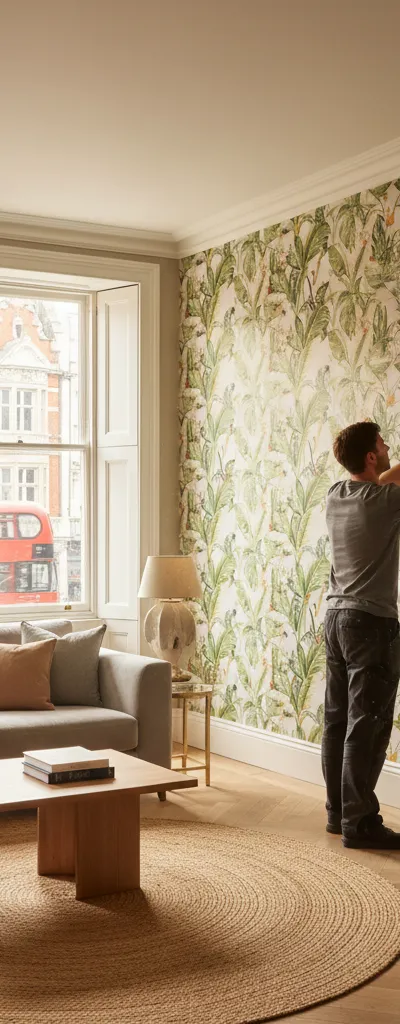
Whether you need a full wallpapering service using authentic William Morris prints or a delicate lime-wash refresh of a vaulted ceiling, our team is equipped with the expertise to handle the most demanding projects.
Frequently Asked Questions
Can I paint my front door any colour if my house is Grade II listed?
Generally, no. You should check with your local London council first. For many listed terraces, there is a prescribed set of colours or a requirement that the door remains a dark, traditional shade (like black, navy, or deep green). Changing from a dark colour to a bright pink, for example, would almost certainly require Listed Building Consent.What happens if I accidentally use the wrong paint on lime plaster?
If you’ve applied a non-breathable paint, you may notice bubbling or peeling quite quickly as moisture is trapped. The best course of action is to have the modern paint professionally removed—sometimes using a "peel-away" system that doesn't damage the plaster—and then reapplying a breathable heritage finish like those from Little Greene or Farrow & Ball.Are there specific rules for painting windows in listed buildings?
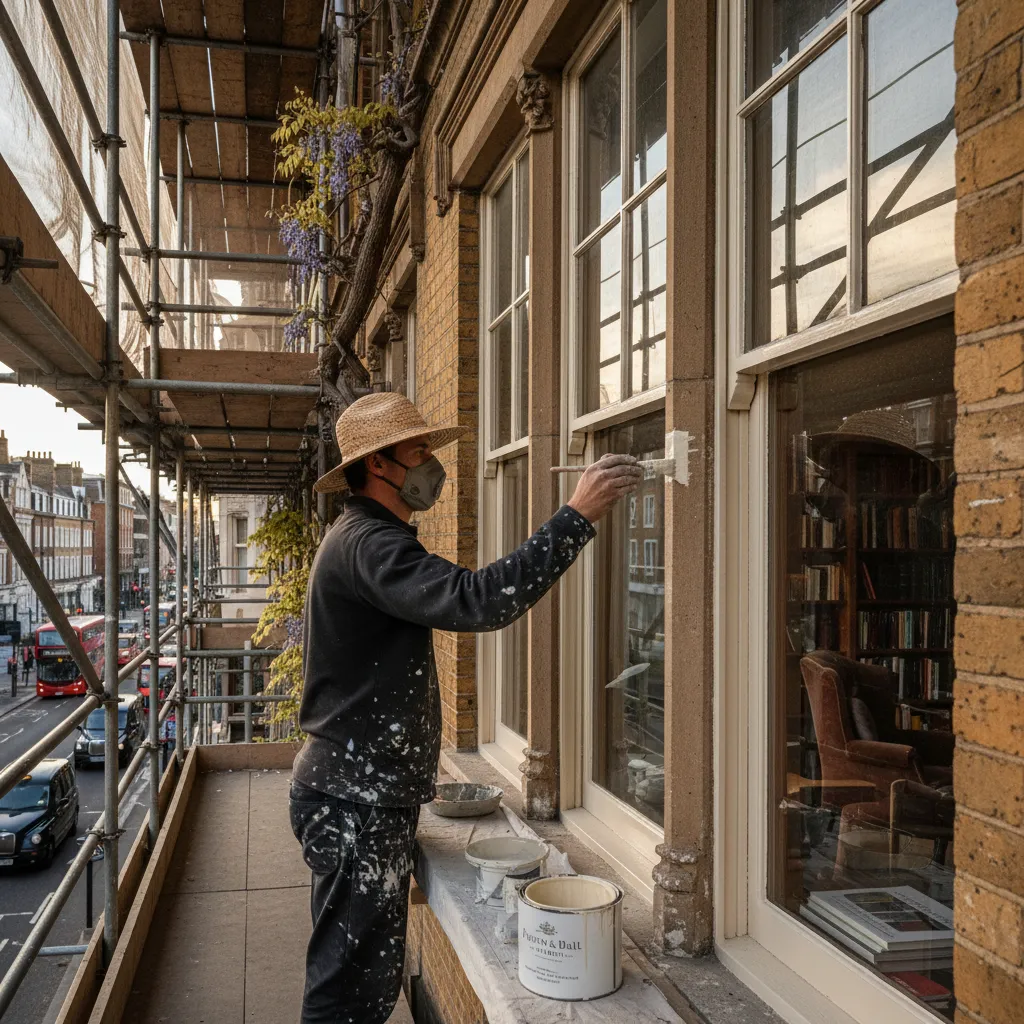
Windows are one of the most protected elements of a listed building. If you have original timber sash windows, you must maintain them with high-quality oil-based or microporous paints (like Dulux Trade Weathershield) to prevent rot. You cannot usually change the colour of the window frames (typically white or off-white) without permission.Does interior painting always require permission?
Routine repainting in a similar colour usually doesn't, but if you are painting over historically significant features—such as original wood panelling, stone surrounds, or ornate plasterwork—you must seek advice first.Start Your Heritage Project Today
If you own a listed property in London and are planning a decorative refresh, don't leave it to chance. The Painters London has the experience and sensitivity required to transform your home while adhering to all necessary regulations.
Get in touch with us today for a consultation and a detailed quote tailored to your property’s unique needs.
*
Contact The Painters London: Serving Kensington, Chelsea, Greenwich, Battersea, and beyond. Link to Contact Page
Practising London painters & decorators since 2019 — every guide is written and reviewed by our working team. About the authors →