Common Painting Mistakes to Avoid in London Homes
Whether you’re refreshing a two-bedroom flat in Battersea or restoring the grandeur of a four-storey townhouse in Chelsea, a fresh coat of paint is the most effective way to transform your space. However, in our years of experience since 2019, The Painters London has seen many DIY projects—and even some amateur professional jobs—go south because of specific, avoidable errors.
London homes present unique challenges. From the varying natural light levels caused by narrow terraced streets to the high-quality plasterwork required in period properties, there is a lot that can go wrong. To help you achieve a high-end finish, we’ve compiled the most common painting mistakes to avoid in London homes.
1. Misjudging London’s Unique Natural Light
One of the biggest mistakes we see in Kensington and Greenwich apartments is choosing a paint colour based on a small swatch in a shop. London’s light is notoriously fickle. North-facing rooms often feel cool and somewhat grey, while south-facing rooms can be flooded with brilliant sunlight that washes out delicate tones.
The "Grey Trap"
Many homeowners opt for a "cool grey" to look modern, but in a north-facing London lounge, this can make the room feel cold and uninviting. The Painters London recommends always testing large samples on different walls.Lighting Consistency
If you’re painting an open-plan space in a Clapham Victorian conversion, remember that the light at the front of the house (usually the bay window) is vastly different from the light in the middle of the "knock-through." A colour that looks vibrant in the front may look muddy in the centre. Always check your samples at midday and again under artificial light in the evening.2. Skipping the "Wash Down" in Urban Environments
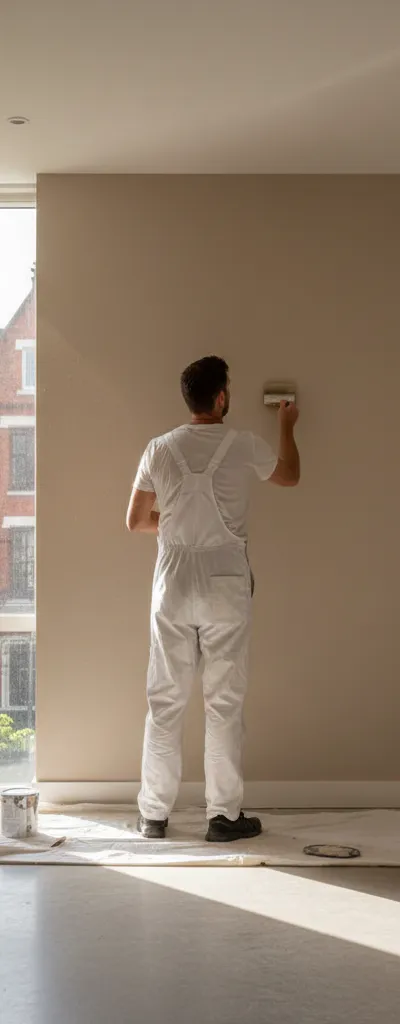
London is a bustling city, and that means soot, dust, and general urban grime accumulate on walls more than you’d think—especially if you live near a main road in Hackney or Fulham.
A common mistake is painting directly over walls that haven't been cleaned. Dust and grease (especially in kitchens) prevent paint from adhering properly, leading to peeling or "flaking" just months after the job is finished. Our team at The Painters London always ensures surfaces are degreased with sugar soap before a brush even touches the wall. This is a crucial step in our interior painting services to ensure longevity.
3. Choosing Aesthetics Over Durability in High-Traffic Areas
We all love the chalky, matte finish of premium paints like Farrow & Ball's Estate Emulsion. However, using a delicate matte finish in a narrow Dulwich hallway or a busy family kitchen in Wandsworth is a recipe for disaster.
The Scuff Mark Struggle
In narrow London hallways, bags, bikes, and coats constantly rub against the walls. If you use a non-scrubbare matte paint, every mark will show, and trying to wipe it off will only create a shiny "buff" mark. Instead, we suggest using "Modern Emulsion" or Little Greene's "Intelligent Matt," which offers a beautiful finish with the durability needed for London life. Choosing the right paint finish is just as important as the colour itself.4. Neglecting the Woodwork and Radiators
Often, homeowners focus so much on the walls that they overlook the trim. Using a standard brilliant white gloss on skirting boards and doors can sometimes look "cheap" against sophisticated wall colours.
Furthermore, many people forget to source heat-resistant paint for their radiators. In many South East London period properties, radiators are prominent features. Painting them with standard wall emulsion will almost certainly lead to cracking and discolouration as soon as the central heating kicks in for winter. The Painters London uses trade-grade eggshell or satinwood finishes specifically designed for wood and metal to ensure a seamless, professional look.
5. Underestimating the Importance of "Cutting In"
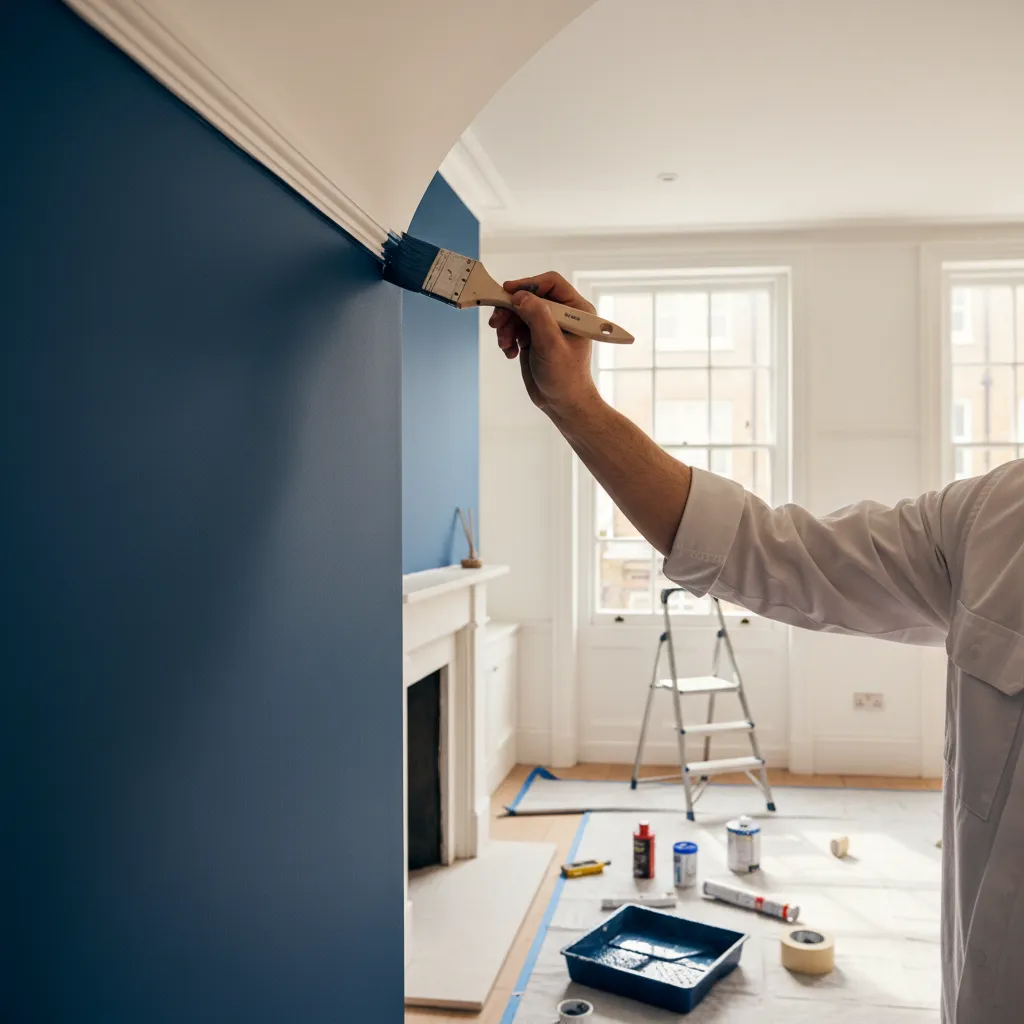
"Cutting in" is the process of painting the edges, corners, and junctions (like where the wall meets the ceiling) before rolling the main sections. An amateur mistake is trying to get too close with a roller or using masking tape as a crutch.
While masking tape is useful, if left on too long, it can pull the fresh paint off the wall. If it’s not pressed down firmly, paint bleeds underneath, leaving a jagged line. Our professional decorators at The Painters London have spent years honing the "freehand" cutting-in technique to create razor-sharp lines that make a room look truly high-end. If you are struggling with intricate details, our services cover everything from fine detail work to full property refreshes.
6. Using the Wrong Tools for the Job
Cheap brushes and rollers are a false economy. Budget rollers often shed lint into your fresh paint, leaving permanent "hairs" on your walls. Low-quality brushes leave visible brush marks (ropiness) that are impossible to sand out once dry.
For a smooth, "sprayed-on" finish, we use premium synthetic brushes and microfibre rollers. When we work on feature walls or high-ceilinged Victorian lounges, the quality of the tool is what separates a DIY attempt from a professional transformation.
7. Rushing the Drying Times
London’s humidity can vary, especially in older properties or basements in Islington. One of the most frequent mistakes is applying a second coat before the first is fully dry.
While the paint may feel dry to the touch in 30 minutes, it hasn't necessarily "cured." Applying a second coat too soon can cause the first layer to "pull" or tear, creating an uneven texture. The Painters London always follows the manufacturer's guidelines, typically allowing 4 hours between coats for water-based trade paints like Dulux Trade Scuffshield or Diamond Matt.
8. Forgetting the "Original Features"
If you are lucky enough to live in a period property in Richmond or Hampstead, your home likely has beautiful cornicing, ceiling roses, or original fireplaces. A major mistake is "smothering" these details with thick layers of cheap paint.
Over decades, many London homes have lost the crisp detail of their coving because previous decorators simply painted over dust and old layers. We recommend a careful "brush-only" approach for these areas to preserve the architectural integrity of your home. You can read more about this in our guide to restoring Victorian properties.
10. Ignoring the Exterior Maintenance
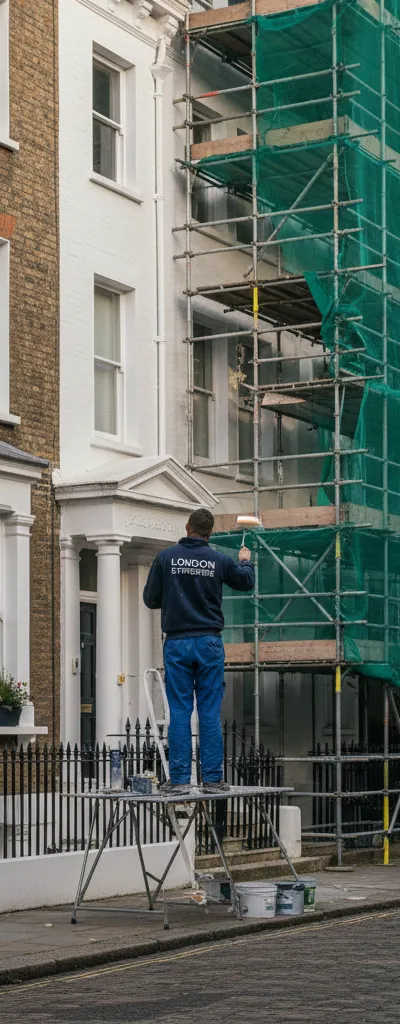
For those in Blackheath or St Johns Wood with rendered exteriors or masonry, ignoring small cracks is a mistake that leads to expensive damp issues. Using "standard" exterior paint on London's older lime-rendered buildings can also trap moisture.
Whether it’s masonry, window sashes, or front doors, our exterior painting experts know that weatherproofing is just as important as the colour choice. Don't wait for the wood to rot; a preventative coat of high-quality weather-shield paint saves thousands in the long run.
Why Technical Expertise Matters
At the end of the day, painting is 80% preparation and 20% application. If you skip the sanding, the priming, or the cleaning, even the most expensive paint in the world won’t look good. The Painters London has built a reputation across Central and South East London for our meticulous attention to detail and our "clean as we go" philosophy.
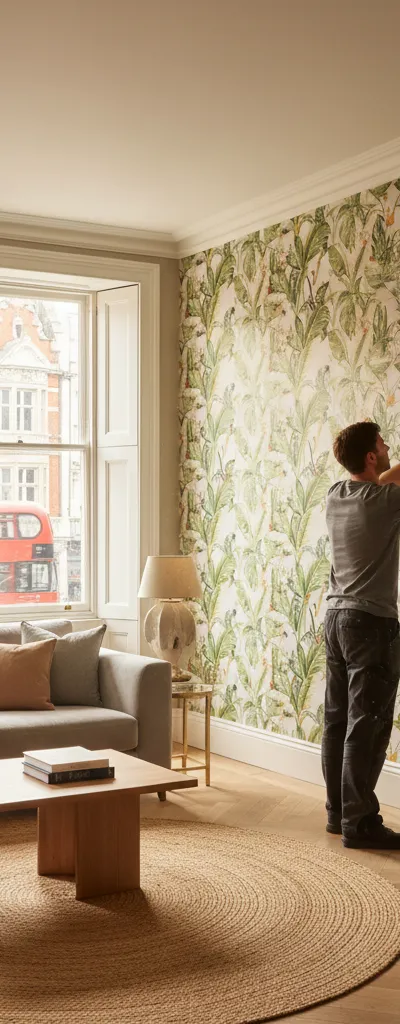
If you’re planning a project and want to avoid these common pitfalls, we are here to help. From wallpapering to full interior and exterior redecorating, we bring professional standards to every London postcode.
Frequently Asked Questions
Is it worth buying "one-coat" paint for my London flat?
In our experience, "one-coat" paints rarely deliver the depth of colour or the durability required for a long-lasting finish. To achieve an even, professional look—especially when using dark heritage colours—two coats are almost always necessary.How do I stop my paint from peeling in a damp basement?
Peeling is often caused by moisture trapped behind the paint. In London basements, it is essential to use breathable paints or specific damp-proof systems. Attempting to "seal" dampness with standard gloss or emulsion will only cause the paint to bubble and blow off.Can I paint over old wallpaper?
While it is technically possible, The Painters London usually advises against it. Painting over wallpaper can cause the adhesive to soften, leading to peeling. Additionally, the seams of the wallpaper will almost always be visible under the paint, which detracts from a premium finish. It is always better to strip, sand, and prime the plaster.Ready to Transform Your Home?
Avoid the stress and the mess of DIY mistakes. Let the experts handle your next decorating project.
Practising London painters & decorators since 2019 — every guide is written and reviewed by our working team. About the authors →